Table of Contents
Finding Help for Victims of Abuse: A Faith-Based Path to Healing
The journey to healing begins with acknowledging the pain and knowing that God sees and cares for victims. Finding genuine help for victims of abuse can feel overwhelming, but you don’t have to walk this road alone. Our ministry provides a gentle, faith-based starting point for those ready to take the first step toward restoration.
Through our free 21-day transformation program, we offer spiritual practices that nurture emotional resilience and draw you closer to God’s healing presence. Learning how to help a victim of narcissistic abuse starts with compassionate community, and that’s exactly what we provide. For those seeking narcissistic abuse help, our program creates space for prayer and reflection without pressure or expectation.
We offer support for various forms of abuse, including emotional abuse help, spousal abuse help, and elder abuse help. As a crowd-funded Christian ministry, our resources remain accessible without financial barriers. For those searching for help for narcissistic abuse near me, we offer a caring community that understands your pain.
This program is for spiritual growth and is not a substitute for professional mental health treatment. Change your life for the better in 21 days — Start Your Journey today.
The Three Most Common Forms of Abuse We Help Survivors Navigate
When someone reaches out for help for victims of abuse in Toronto, they are often facing one of three deeply painful realities. Here are the most common forms we help survivors navigate.
Emotional abuse is a pattern of behavior that undermines a person’s self-worth and independence through verbal attacks, humiliation, and control. We offer spiritual support alongside referrals for emotional abuse help, connecting survivors with professional counselors who understand these invisible wounds.
Narcissistic abuse involves manipulation and control by someone with narcissistic traits, often through gaslighting and exploitation. We provide prayer resources and guidance as a starting point for narcissistic abuse help, always encouraging survivors to seek licensed therapy for lasting recovery.
Physical abuse is the use of physical force–hitting, pushing, or restraining–that causes harm or injury. Through our Domestic Violence Support services, we pray with survivors and connect them to emergency resources while respecting their need for professional care.
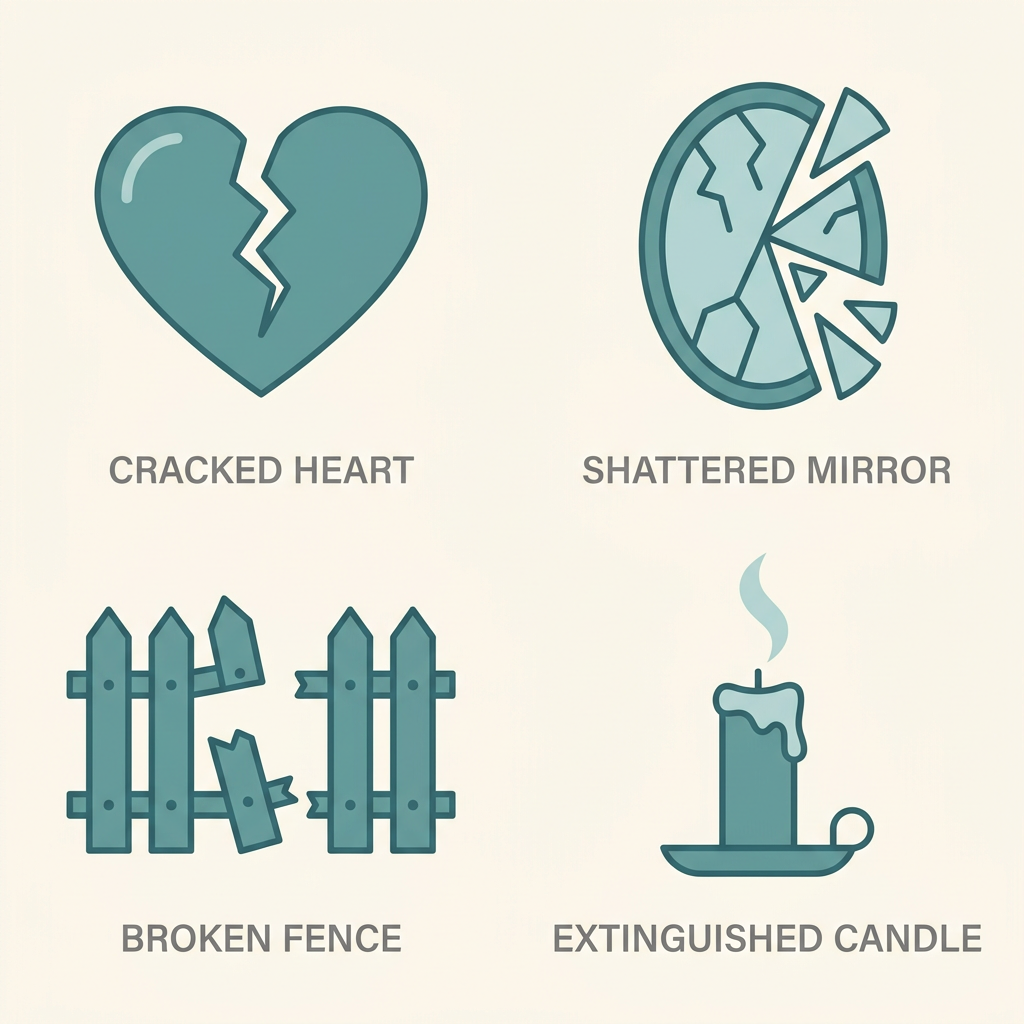
Recognizing four forms of abuse: emotional, narcissistic, physical, spiritual
We walk alongside survivors on the road less traveled, offering compassion without claiming to replace professional mental health treatment. In the following sections, we explore how our spiritual support and referral services address each type of abuse with faith and practical care.
Is It Safe to Stay While You Seek Help?
If you are seeking help for victims of abuse, your personal safety is the most important consideration–staying in an abusive environment can heighten your risk even as you reach out. We encourage you to contact a licensed counselor, such as those listed by the American Counseling Association, to create a safety plan tailored to your situation. Our prayer hotline and emergency referrals offer immediate spiritual care, but they are not a substitute for professional emotional abuse help. We pray you find the wisdom and courage to make the best decision for your well-being.
Emotional Abuse: What It Looks Like and How to Break Free
Emotional abuse is a pattern of non-physical behavior designed to control, belittle, or isolate another person. It can include gaslighting, constant criticism, public or private humiliation, isolation from loved ones, financial control, or threats and intimidation. These actions often escalate so gradually that the victim struggles to recognize the harm, and those seeking help for victims of abuse may not immediately realize that the dynamic applies to their own relationship.
Because emotional abuse can affect anyone–across marriages, elder care, parenting, and friendships–it is vital to know that spousal abuse help and elder abuse help exist for every age and circumstance. If you are wondering how to help a victim of narcissistic abuse, begin by validating their experience and reminding them the abuse is not their fault. While professional counseling is often an essential piece of the healing puzzle, emotional abuse help and spiritual companionship can walk alongside that process. At Path to a Better Life, our community offers prayer support and gentle encouragement so you can take the first step toward freedom–and if you need immediate help for narcissistic abuse near me, we can point you toward local resources while supporting your spiritual journey.
So how do we start to heal? In the next section, we’ll explore practical ways to begin restoring hope and reclaiming your sense of self.
Narcissistic Abuse: Reclaiming Your Identity Through Faith
Surviving narcissistic abuse often leaves you feeling shattered, questioning your worth, and disconnected from the person God created you to be. If you are seeking help for victims of abuse, know that faith can be a powerful tool for rediscovering the identity that abuse tried to erase. Understanding how to help a victim of narcissistic abuse involves recognizing that true healing extends beyond emotional recovery–it requires rebuilding a spiritual foundation rooted in God’s unwavering love.
At Path to a Better Life, we walk alongside you through our free 21-day spiritual transformation program, helping you reconnect with your God-given identity in a community that understands your pain. Start Your Journey today, and let’s explore how faith-based practices can guide your recovery toward wholeness.
Spousal Abuse: Finding Safety and Support in a Difficult Marriage
Many marriages face seasons of strain, but if your relationship involves patterns that leave you feeling controlled, frightened, or diminished, you may be experiencing something deeper than ordinary conflict. Recognizing help for victims of abuse is the first step toward reclaiming safety.
Spousal abuse is any pattern of behavior used to control, intimidate, or harm a partner. It can appear as physical violence, emotional or psychological manipulation, or financial control that restricts your autonomy. These behaviors erode your sense of self and security, and we want you to hear this clearly: the abuse is never your fault.
Seeking spousal abuse help does not mean you have failed in your marriage. Reaching out is a courageous act of self-respect, not a betrayal of your vows. At Path to a Better Life in Toronto, we offer domestic violence support and can connect you with caring listeners who understand what you are facing. You do not have to face this alone — there are people ready to walk with you.
Practical First Steps: Safe Checks You Can Do Right Now
Finding reliable help for victims of abuse can feel overwhelming, but several small, private actions can offer a starting point. These steps create a foundation of safety and evidence, though they are not a substitute for professional intervention.
- Start a private journal noting dates, times, and what happened. This record builds essential evidence and can offer clarity when seeking emotional abuse help or narcissistic abuse help down the road.
- Create a simple safety plan by packing a small bag with essentials and hiding it in a secure location. This practical preparation is a wise approach if you ever need immediate spousal abuse help.
- Confide in one trusted person, a friend, family member, or spiritual advisor, about your situation. Isolating yourself is common when seeking how to help a victim of narcissistic abuse, but sharing lightens the emotional burden.
- If you or someone you know needs elder abuse help or local support, consider contacting our 24/7 prayer hotline at 888-388-2638 for compassionate guidance and resources.
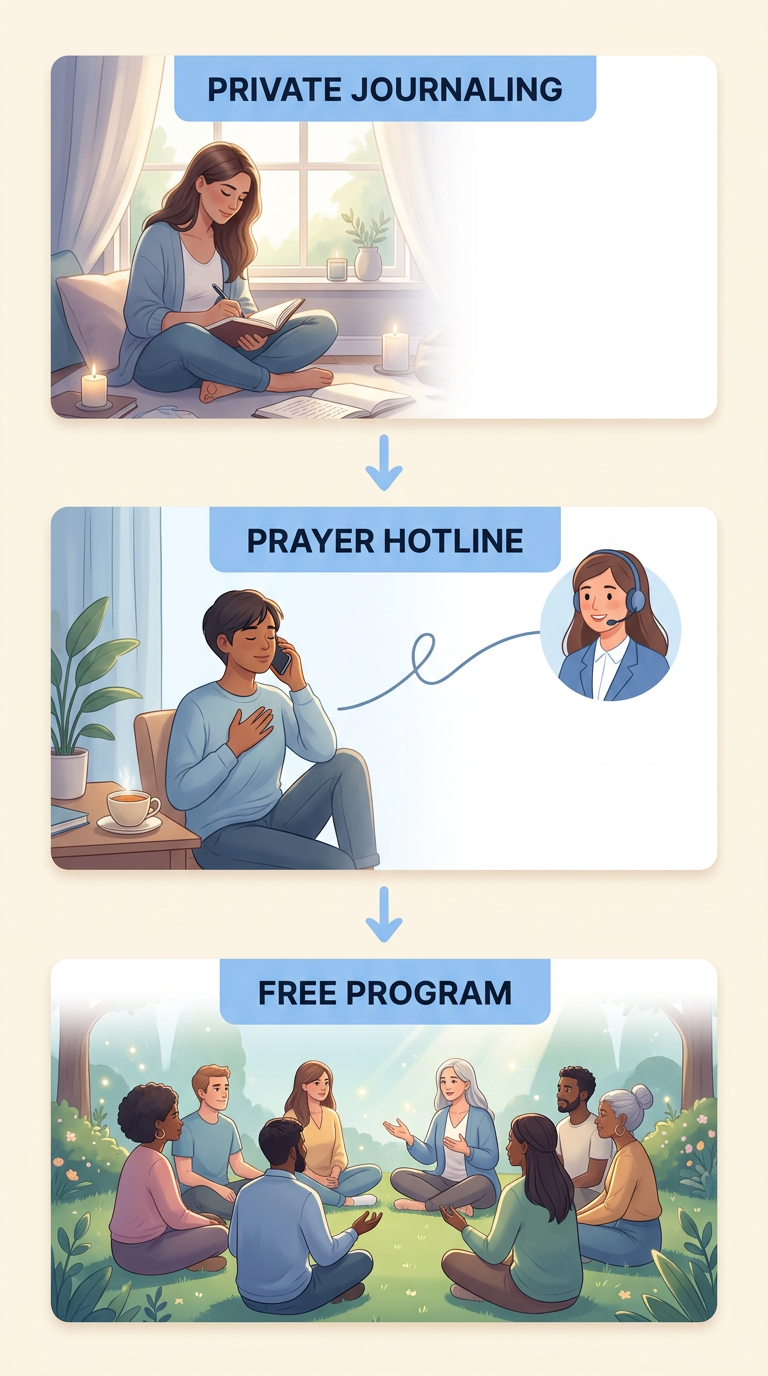
Three safe first steps for spiritual support and transformation.
When to Reach Out to a Professional Counselor or Advocate
If you need help for victims of abuse, certain signs indicate it’s time to seek professional support. Physical danger, escalating emotional abuse help, suicidal thoughts, or feeling trapped and hopeless are all clear indicators that a trained counselor should be involved. The American Counseling Association emphasizes that recognizing these warning signs and connecting with licensed professionals is a critical step toward safety and healing.
When you’re wondering how to help a victim of narcissistic abuse, or if someone needs narcissistic abuse help, elder abuse help, or spousal abuse help, our team at Path to a Better Life can connect you with licensed counselors and advocates. We provide referrals, not direct therapy. We can guide you toward help for narcissistic abuse near you and other local resources.
This program is for spiritual growth and is not a substitute for professional mental health treatment. Reaching out for support is a courageous act of strength, and our Traveling Companion membership provides ongoing encouragement that complements professional counseling.
What a Diagnostic Visit Includes and What It Costs
When you reach out to Path to a Better Life, your first step is a free, no-obligation diagnostic visit grounded in faith and compassion. We will listen with genuine care, pray with you, and help you take your first step on the road less traveled. This is not a clinical assessment or professional counseling session–it is a welcoming conversation where you can share your story in a safe, judgment-free space. Our team offers spiritual support and can connect you with elder abuse help, domestic violence resources, and guidance for those seeking help for victims of abuse in Canada.
Because Path to a Better Life is a crowd-funded organization, this visit carries absolutely no cost to you. We believe financial barriers should never stand between a person and the support they deserve. During your time with us, you will also learn about how to help a victim of narcissistic abuse, receive emotional abuse help, and find spousal abuse help through trusted referral partners. For those wondering about help for narcissistic abuse near me, our volunteers provide personalized direction toward services in Toronto and beyond.
Following your diagnostic visit, our team will gently walk you through what comes next–whether that is joining our free 21-day transformation program, connecting with ongoing spiritual mentorship, or receiving immediate referrals for urgent support. You are not alone, and taking this first step opens the door to real healing.
Other Signs You May Be Carrying the Weight of Abuse
Beyond the more obvious indicators, many of us carry inner burdens that show up as difficulty trusting others or a tendency to minimize our own needs. These related symptoms of emotional abuse often include feeling responsible for everyone else’s emotions, a deep-seated pattern that survivors of manipulation know all too well. If you see these patterns in yourself or a loved one, learning how to help a victim of narcissistic abuse can be a meaningful step on your Path to a Better Life. These signs can vary from person to person; recognizing them is not a diagnosis but a gentle invitation to Start Your Journey toward healing. Through simple spiritual practices like prayer and reflecting on God’s Story, our traveling companions help us discern these hidden weights safely. Accessing help for victims of abuse often begins with this quiet, honest self-reflection, allowing you to discover the road less traveled toward wholeness.
Frequently Asked Questions About Finding Help for Abuse
We understand that reaching out for support can feel overwhelming, and you may have questions about where to begin. If you are searching for help for victims of abuse, our community is here to walk alongside you with compassion and faith-based guidance. Below are answers to some of the questions we hear most often.
How can I find local or online community support?
If you are looking for help for narcissistic abuse near me, you are not alone. Whether you connect through our international digital community or seek local fellowship in Toronto, Path to a Better Life offers spiritual resources, the 24/7 prayer hotline, and a supportive network to help you feel seen and heard as you navigate your healing journey.
Is there a faith-based recovery FAQ I can reference?
Yes, our entire approach is grounded in a faith-based recovery FAQ framework woven throughout our resources. We offer a free 21-day transformation program that integrates gentle daily spiritual practices, prayer support, and community connection. This program is designed to nurture emotional resilience and draw you closer to God’s healing presence, though we always encourage you to seek professional mental health treatment for clinical needs, as results from spiritual practice vary by individual.
What types of abuse does your community provide support for?
We welcome anyone seeking emotional abuse help, spousal abuse help, elder abuse help, or guidance on how to help a victim of narcissistic abuse. While we do not provide clinical counseling, our prayer hotline, Traveling Companion membership, and spiritual mentorship offer consistent encouragement and practical spiritual tools to support your healing.
Start Your Journey: One Gentle Step at a Time
Start your journey to healing today with one gentle step. You don’t have to have all the answers or solve everything right now — we’re here to support you. The 21-day program is your first step on the path to a better life.
Your Path to Healing and Renewed Hope
No matter how deep the hurt runs or how overwhelming the feeling of helplessness may be today, there is genuine help for victims of abuse waiting to welcome you. Our community understands that emotional wounds, spiritual pain, and the longing for emotional abuse help are not signs of weakness but evidence of the weight you have been carrying alone for too long.
We believe that true recovery flourishes when faith becomes the foundation of restoration. Our spiritual transformation program creates a gentle, structured environment where healing from trauma can begin through daily practices that reconnect you with God’s steady love. This is a spiritual journey, not a substitute for professional mental health treatment, and every step is yours to take at your own pace.
You deserve a space where hope feels possible again. Start Your Journey.