
Table of Contents
Guiding Someone Through Depression with Compassion and Faith
When we learn how to help someone with depression, we can offer compassionate support reflecting Christ’s love.
Learning how to help a friend with depression starts with being present and listening without judgment. We resist quick fixes or clichés like “just have more faith,” offering instead our quiet presence.
When we ask “how do you help someone with depression,” prayer is a meaningful response. We can pray with them and share Bible verses to help with depression, like Psalm 34:18, which bring comfort. We avoid platitudes and trust God’s Word.
We can show Christ’s love through practical acts–bringing a meal, running an errand. Gently encourage professional counselling or medication as God’s provision. Our free 21‑day program and prayer library offer additional faith resources; consider a free daily devotional app for daily Scripture to share. Beyond these steps, daily faith practices sustain both of you. This information is not a substitute for professional medical advice; consult a qualified professional.
Understanding the Cost of Supporting Someone with Depression
Are there free programs to help with depression?
When you’re learning how to help someone with depression, costs can feel heavy. How do you help someone with depression for free? Path to a Better Life’s 21‑day program is completely free, funded by donations. It offers daily reflections, prayers, and music to support a loved one. It is not a substitute for professional treatment; results vary, and seeking professional advice is wise. If you need depression help, this is a gentle start. You can also access a depression self help book from our library. Crisis hotlines and support groups are free; search depression help near me for local options.
What professional counseling resources are available and what do they cost?
Helping someone through depression often requires professional counseling, which can vary in cost. Many communities offer subsidized clinics with sliding‑scale fees, and employee assistance programs may provide free sessions. Some churches also partner with such clinics to extend low‑fee counseling. When you consider how to help a friend with depression, exploring low‑cost options is important. For challenges like postpartum depression, learning how to help someone with postpartum depression includes finding a therapist who specializes in that area. You can search online directories or call local mental health centers for affordable care. Remember, Path to a Better Life’s spiritual resources complement professional help; they are not a clinical replacement.
How can I find faith-based support without financial burden?
Faith-based support can be a lifeline without financial burden. Our 24/7 prayer hotline and community groups require no fees. For Christian mental health support, explore our free prayer library and community groups. You can also find comfort in bible verses to help with depression, available through our prayer resources. The American Association of Christian Counselors (AACC) directory helps you locate affordable Christian counselors, many of whom offer sliding‑scale fees. Churches often provide free support groups that welcome anyone seeking hope. These faith communities can nurture hope and resilience. By combining spiritual resources with professional care, you build a comprehensive support system. Once you understand the financial aspect, you can focus on the practical steps of being there for your loved one.
Practical Steps to Offer Meaningful Support
Learning how to help someone with depression starts with connection over correction: gentle conversation and listening.
How can I start a conversation about depression without confrontation?
Start conversations with care by choosing a calm, private moment. Use “I” statements like “I’ve noticed you’ve been quieter lately; I’m here for you.” The Church Visitation and Health Network Center (CVHNC) advises avoiding clichés and asking open questions such as “What has been weighing on you?” This invites sharing without pressure. Let them guide the pace; your patient presence says more than words. If they aren’t ready, simply let them know you’re available whenever they are. Patience is a crucial part of how do you help someone with depression. That open-door stance can be deeply reassuring.
What specific phrases show empathy and care?
The words we choose can open doors or close them. Instead of “You’ll be fine,” try “That sounds incredibly tough, and I’m here with you.” According to CVHNC, clichés like “just pray more” can be harmful. Better to acknowledge their struggle: “I don’t have answers, but I want to walk through this with you.” Empathy means listening without needing to fix things. A simple “I’m glad you told me” can go a long way. Even silence shared in companionship speaks volumes. Your presence, not your solutions, is what most helps them feel less alone.
These words build trust; the image below shows how conversation, empathy, and presence flow together.
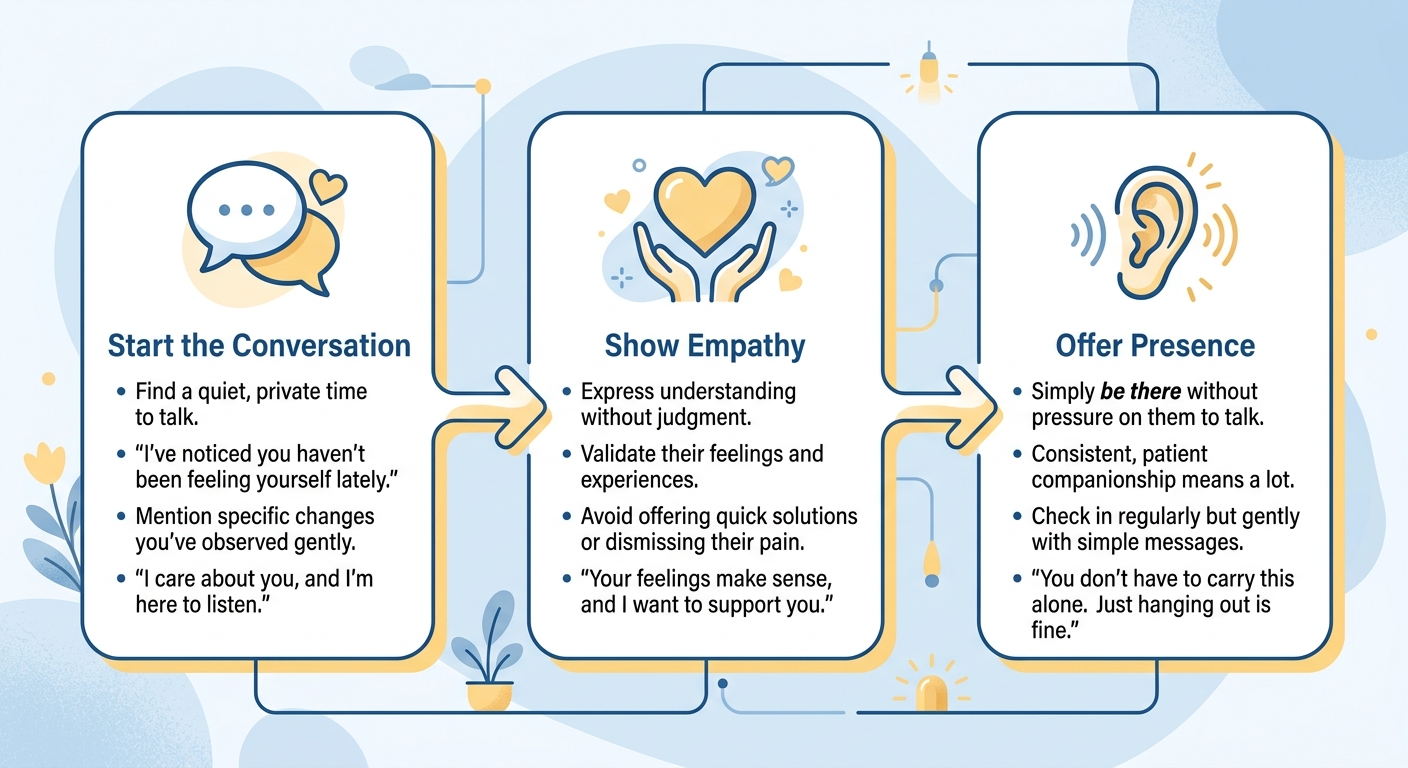
Practical steps to meaningfully support someone with depression through conversation, empathy, and presence.
With trust established, how to help a friend with depression shifts toward being present rather than fixing.
How do I offer presence instead of trying to fix the problem?
Sometimes the greatest comfort is simply being there. Active listening means giving your full attention without planning your response. This quiet companionship is central to how to help someone with depression. The American Association of Christian Counselors (AACC) emphasizes Christlike “sitting in the ashes” rather than rushing to solutions. If open, suggesting a spiritual mentor can offer faith-based support. You don’t need to have the right words; your undivided attention is a gift. Let them lead, and trust that your presence itself communicates love. Praying together or sharing silence can remind them they’re not alone.
These steps foster connection, and in the next section we’ll share our 21-day program and crisis hotlines for ongoing support. Remember, this guidance is not a substitute for professional mental health treatment.
Setting Healthy Boundaries and Knowing When to Act
How can I set healthy boundaries while supporting a loved one?
Learning how to help someone with depression is an act of love, but it’s equally important to protect your own well-being. Many ask, “how to help a friend with depression?” or “how do you help someone with depression?” and the answer starts with boundaries. We can show care without losing ourselves. Start by limiting the time you listen to distressing talk each day. Use “I” statements to express limits, like “I need a break to recharge.” Schedule self-care: prayer, reading a depression self help book, or reflecting on bible verses to help with depression. Expect anger or withdrawal, but don’t take it personally; gently restate boundaries while reassuring you care.
When is professional intervention necessary?
Watch for red flags: threats of self-harm, inability to handle daily tasks, and severe isolation. If these appear, encourage them to search for depression help near me and connect with a counselor. The American Association of Christian Counselors advises referring someone to a licensed professional in such cases. When supporting a new mother, learning how to help someone with postpartum depression means understanding that immediate medical care is essential for both her and her baby. At Path to a Better Life, a crowd-funded organization, we offer resource directories, but we are not a substitute for professional treatment. This content is not a substitute for medical advice; consult a qualified professional when appropriate. After understanding boundaries, explore our practical resources.
Understanding the Timeline of Recovery and Support
When you’re learning how to help someone with depression, understanding the timeline is key. At Path to a Better Life, we walk with you through a faith-centered process.
How long does it typically take to see improvement?
Improvement through our 21-day transformation program is gradual. Small, consistent actions, such as daily prayer, reading devotionals, or using our prayer library, build momentum. When you’re figuring out how to help a friend with depression, know that lasting change takes time, and pushing for quick results can add pressure. We encourage you to trust the process and lean on our free, crowd-funded community for encouragement.
How can I maintain patience and consistency?
Patience grows when you anchor your habits in grace. We suggest:
- Start each morning with a brief prayer or a Psalm.
- Journal one blessing or insight after your quiet time.
- Avoid comparing yourself to others; each journey is sacred.
When you feel discouraged, turn to scripture; our guide on the Bible for anxiety and depression offers grounding. You can also lean on bible verses to help with depression or browse our depression self help book recommendations. If you or someone you know needs depression help, remember that Path to a Better Life provides free, crowd-funded resources.
This content is not a substitute for professional medical or mental health advice; consult a qualified professional where appropriate. Results may vary; individual experiences differ.
Now that you understand the timeline, let’s look at practical ways to support someone day by day.
Ongoing Support and Resources for Long-Term Care
Understanding how to help someone with depression is a vital start; ongoing support nourishes well-being. Path to a Better Life offers free spiritual resources.
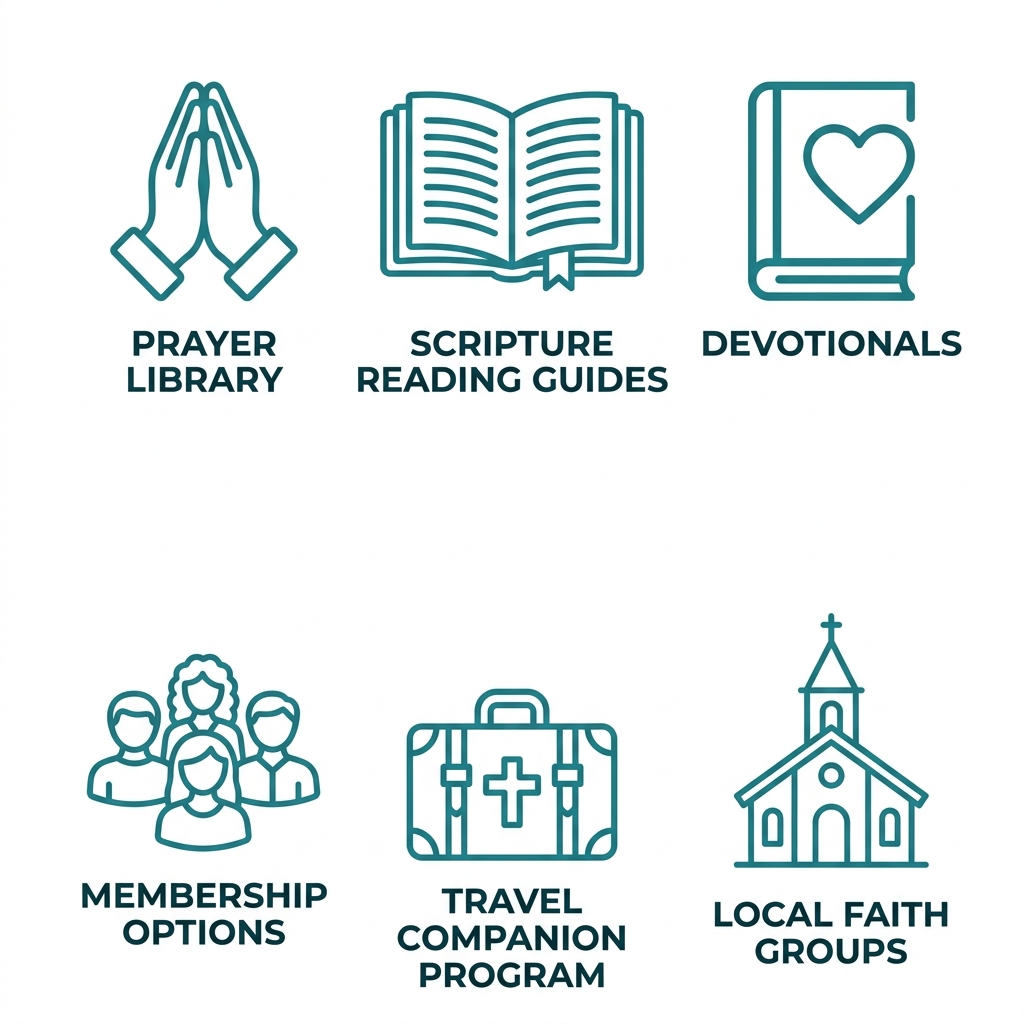
Ongoing spiritual and community resources icons for depression support.
What spiritual resources are available for ongoing encouragement?
Our prayer library includes guides for every life situation, and we provide scripture reading guides filled with Bible verses to help with depression. Our devotionals offer daily reflections to strengthen your faith. You can also explore a depression self help book from our collection, which complements your spiritual practice. When you need a boost of hope, our library offers specific Bible verses to help with depression, reminding you of God’s steadfast love. These tools are designed to anchor you in God’s promises and encourage a consistent rhythm of prayer and scripture.
How can I stay connected to a support community?
We invite you to join our membership program for ongoing encouragement, and to participate in the Travel Companion program that connects you with like-minded individuals. If you’re learning how to help a friend with depression, remember to listen without judgment and encourage professional help, as advised by CVHNC. Our local faith groups offer support, and you can also find depression help near me through our network. The AACC directory can connect you to professional counselors. Download our free scripture reading guides to share. Remember, these resources are not a substitute for professional medical or mental health advice, but they offer meaningful spiritual encouragement. Start our 21-day program when you’re ready to take the next step.
Still Have Questions? Reach Out for Guidance
Still wondering how to help someone with depression? We’re here for you. Path to a Better Life offers a free 21-day transformation program, a prayer library, and a curated books collection that includes a depression self help book to support your learning. For a gentle spiritual practice, explore our guide on christian meditation for beginners. Start Your Journey with us today. This information is for educational purposes only and is not a substitute for professional medical or mental health advice. Consult a qualified healthcare provider for personal concerns.