Table of Contents
Key Considerations for Choosing a Recovery Program
With an understanding of the types of programs available, here are the key criteria to consider.
Top Criteria for Selecting an Addiction Recovery Program
When evaluating addiction recovery programs and resources, we suggest looking at several core factors that can shape your journey. Faith integration is essential for many: Path to a Better Life‘s free 21-day program includes prayer and music, and many faith based addiction recovery programs incorporate Bible study. For those new to scripture, a bible reading plan for beginners can provide structure.
Cost and value matter, too. Not all addiction recovery programs require a high financial commitment. Path to a Better Life is a crowd-funded, free resource, while many online addiction recovery programs offer sliding-scale fees, removing barriers.
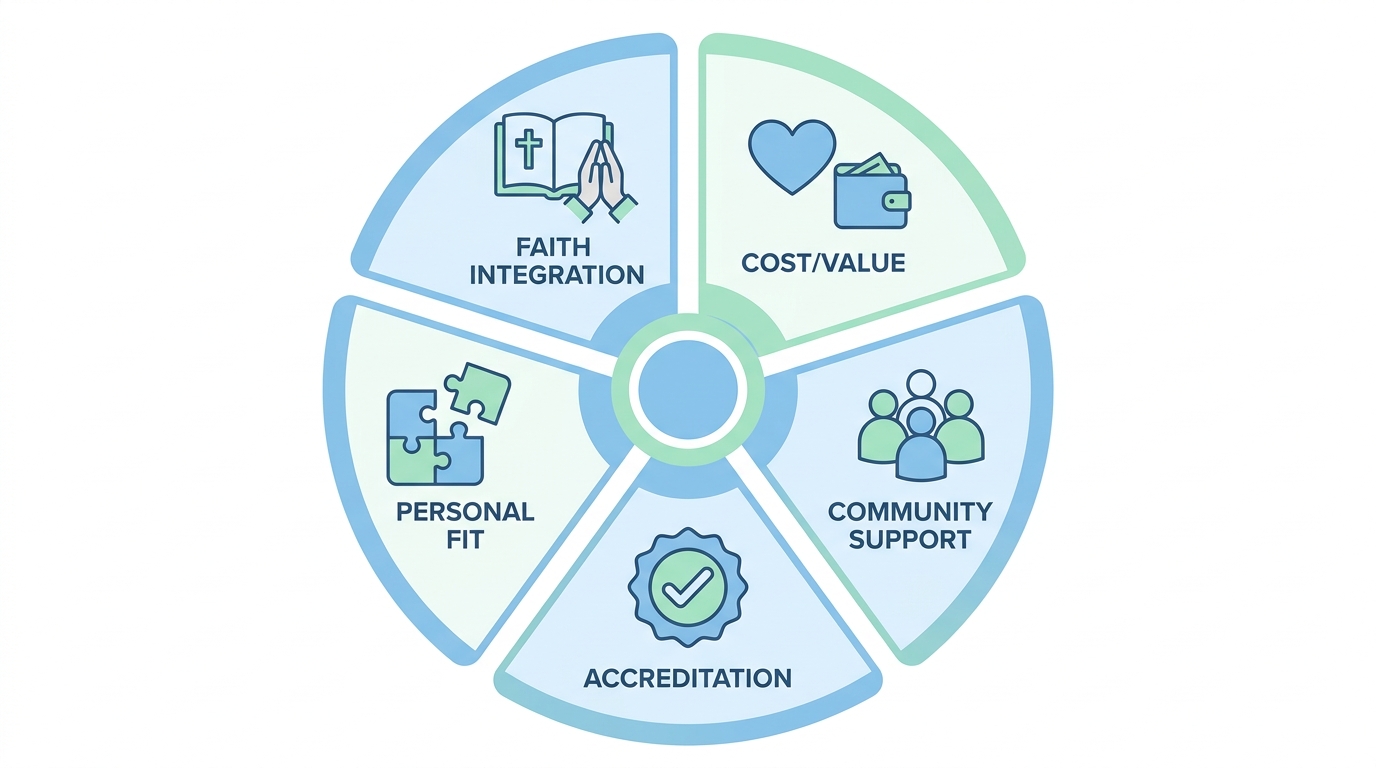
Five key criteria for selecting a recovery program in a friendly infographic layout.
Community support is another critical piece. The best addiction recovery programs foster peer connections, mentorship, and ongoing encouragement. At Path to a Better Life, member support and transformation stories create a sense of belonging, and addiction resources for families strengthen the whole support network.
Accreditation signals trust. According to the National Association of Addiction Treatment Providers (NAATP), reputable addiction recovery programs follow evidence-based practices. The American Association of Christian Counselors (AACC) upholds ethical standards for integrating faith and mental health care.
Finally, personal fit counts. If you’re seeking addiction to alcohol help, look for alcohol addiction recovery programs that address your specific needs. Flexibility is also key–online addiction recovery programs can fit busy lives. Remember, each journey is unique, and no program can guarantee a certain outcome. Always consult a qualified professional; individual results vary. Once you have these criteria in mind, explore how the following programs meet them.
Spiritual Foundation and Faith Integration
When we explore addiction recovery programs and resources, spiritual grounding often emerges as a key ingredient for lasting change. Many programs incorporate faith practices to nurture the whole person, not just address symptoms.
What to Evaluate
In faith based addiction recovery programs, we look for evidence of daily spiritual habits woven into the schedule. Key practices to examine include:
- Scheduled times for prayer and personal reflection
- Structured scripture reading or devotional study
- Opportunities for worship, whether communal or private
- Access to mentoring or spiritual direction
- Availability of a prayer library or similar spiritual resources
This evaluation helps us see how intentionally faith is integrated. The following process flow illustrates the main stages we use to assess a program’s spiritual foundation.
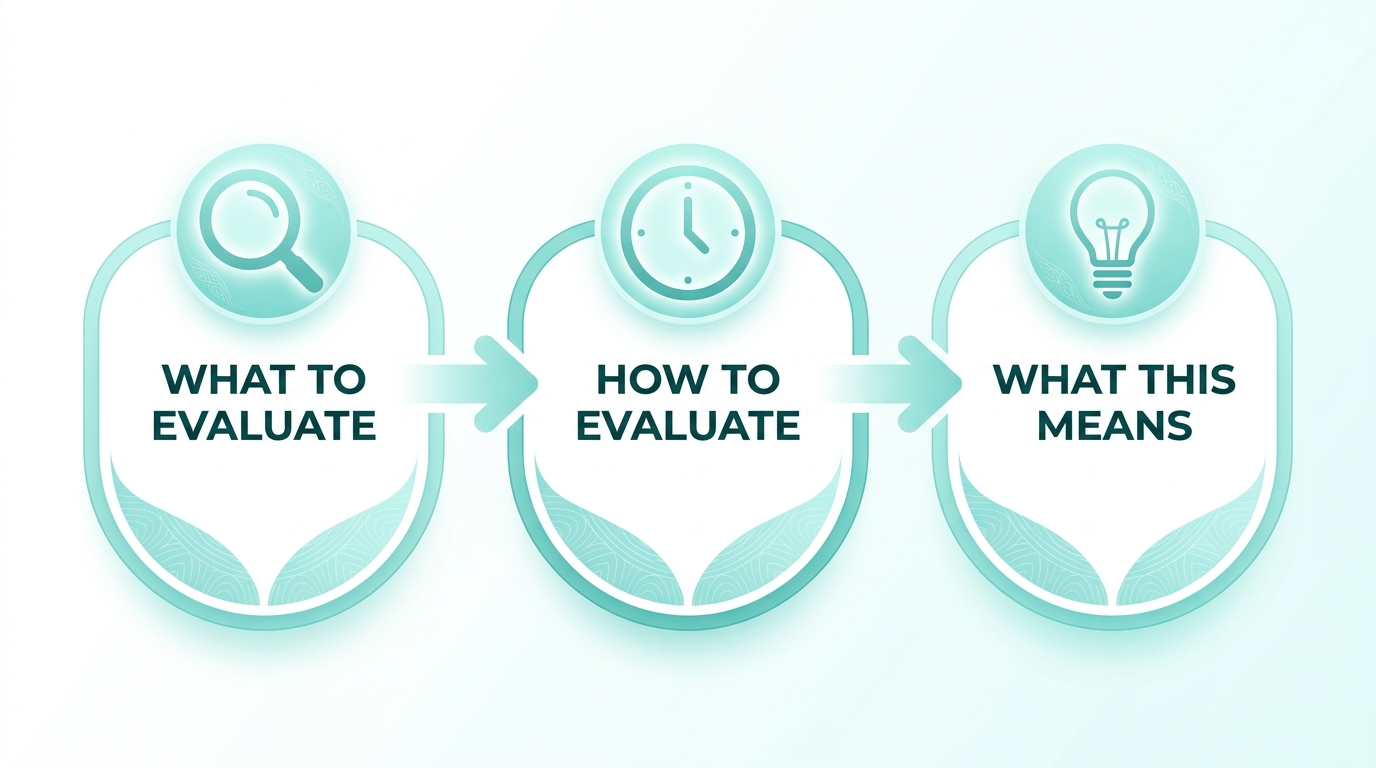
Spiritual foundation evaluation process flow for Path to a Better Life.
Once we’ve identified what components matter, the next step is learning how to gauge their authenticity inside a program.
How to Evaluate
To determine whether faith practices are truly central, we can:
- Review the daily and weekly schedule to confirm spiritual activities are required, not optional
- Ask whether participants are free to follow their own faith tradition without pressure to convert
- Look for programs that offer christian mental health support as part of a broader holistic approach, such as those featured in Christian mental health support resource networks
- Check if the program includes spiritual resources beyond meetings, like a prayer library or journaling guides
- Use directories like the one maintained by the National Association of Addiction Treatment Providers (NAATP) to find accredited providers that integrate spiritual care
What This Means for Recovery
A strong spiritual thread can give us a sense of purpose, belonging, and resilience–factors that research and lived experience show are vital for long-term sobriety. While addiction recovery programs and resources with a faith component do not replace professional treatment, they create a supportive community that reinforces daily commitment. Our own free 21-day transformation program is one example of how scripture, reflection, and prayer can anchor a recovery journey. Please remember: This is not a substitute for professional medical or mental health advice; consult a qualified professional where appropriate.
Accessibility and Cost Structure
After identifying what a solid recovery program offers, practical factors like cost and accessibility deserve careful attention. When exploring addiction recovery programs and resources, we encourage you to look at these filters first.
What to Evaluate
When evaluating a program, we suggest checking whether it is free or low-cost, supports participation in online addiction recovery programs, and offers financial assistance. Many faith-based addiction recovery programs include a spiritual mentor at no extra charge, and they often provide addiction resources for families. It’s also wise to see if help for addiction to alcohol is part of the package.
How to Evaluate
According to the American Association of Christian Counselors (AACC), transparent pricing is essential. We recommend visiting the program website to see if costs are clearly displayed, asking about sliding-scale fees or scholarships, and confirming there are no hidden charges. The best addiction recovery programs make this information easy to find. For alcohol addiction recovery programs, also verify whether ongoing support includes any extra costs.
What This Means for Recovery
Low-barrier access reduces financial stress, enabling more individuals to start recovery. When programs, including faith-based addiction recovery programs, are affordable, long-term healing becomes more attainable. Results may vary; this is not a substitute for professional medical advice. We encourage consulting a qualified professional for personalized guidance.
Community and Ongoing Support
Finding the right addiction recovery programs and resources is an important first step, but what happens after a structured program ends often determines long-term success. At Path to a Better Life, we believe that a strong support network is the bridge between daily spiritual practice and lasting freedom from addiction. Ongoing community and mentorship provide connection, accountability, and encouragement when life gets difficult.
What to Evaluate
When considering next steps, look for programs that offer peer support groups, mentorship, family resources, and regular post-program check-ins. The National Association of Addiction Treatment Providers (NAATP) sets industry standards that emphasize the importance of structured, ethical aftercare. For those exploring faith-based tools, integrating gentle spiritual practices can deepen daily resilience–christian meditation for beginners offers a practical starting point. We also recommend evaluating whether online addiction recovery programs provide facilitator-led meetings or rely on informal peer connections, as the structure can significantly impact consistency.
How to Evaluate
Ask about the size and format of support groups, whether one-on-one mentorship is available, and how actively family members are encouraged to participate. The American Association of Christian Counselors (AACC) highlights the value of mentorship and family involvement in sustaining spiritual and emotional health. Strong programs welcome loved ones into the process, recognizing that healing extends beyond the individual. We recommend prioritizing facilitators who are trained and engaged, not just volunteers, to ensure a safe and supportive environment.
What This Means for Recovery
Consistent community support reduces isolation and builds peer accountability–two critical factors in sustaining sobriety. We view ongoing connection not as a guarantee, but as a vital part of a holistic plan that includes daily habits, spiritual growth, and access to professional help when needed. When you surround yourself with people who share your commitment to a better life, you create a foundation for lasting change.
Discover a better life in just 21 days. Start Your Journey with Path to a Better Life and find the community and resources that will walk with you every step of the way.
Red Flags to Watch For
While we’ve shared many addiction recovery programs and resources, it’s crucial to recognize red flags. We caution against any program promising guaranteed healing or specific outcomes. Legitimate options never claim to replace professional treatment.
When evaluating alcohol addiction recovery programs, watch for hidden fees and vague staff qualifications. Faith-based programs should integrate spiritual support without dismissing medical advice. Authentic testimonials and strong community support often indicate trustworthiness. By contrast, our free daily devotional app offers transparent, daily encouragement without hidden costs. In the next section, we’ll guide you on starting your journey safely. This content is for informational purposes and does not substitute professional medical advice.
Questions to Ask Before Committing to a Program
When researching addiction recovery programs and resources, asking the right questions can help you find a path that fits your needs and values. We recommend you evaluate any program before you commit.
- What sets this program apart from other addiction recovery programs, and what is its structure, time commitment, and cost transparency?
- How does the program provide ongoing support, such as a prayer library or online community, and how does it compare to other online addiction recovery programs?
- How does the program measure progress, and what results can you reasonably expect without guarantees?
- Is the program one of the faith based addiction recovery programs that integrates daily prayer and spiritual growth?
- Does the program complement professional mental health care, and is its funding transparent?
For more on spiritual practices, check our Christian spiritual growth FAQ.
Use these questions to explore any recovery resource. When you’re ready, Discover a better life in just 21 days and Start Your Journey with Path to a Better Life. This is not a substitute for professional medical or mental health advice; consult a qualified professional where appropriate. Results may vary; individual experiences differ.
Understanding the Cost of Recovery Programs
When exploring addiction recovery programs and resources, cost matters. Addiction recovery programs range from free faith-based and online options to paid inpatient care. Faith-based addiction recovery programs and online addiction recovery programs provide low-cost support. At Path to a Better Life, our crowd-funded 21-day transformation program is free; discover a better life in just 21 days.
While the best addiction recovery programs aren’t defined by price, personal fit matters most. We are not a substitute for professional mental health treatment. Our free resources include:
- A prayer library and music
- Personal transformation stories
- Addiction resources for families
For those seeking addiction to alcohol help, information on many alcohol addiction recovery programs is also available. These free tools make addiction recovery programs and resources accessible. Next, we’ll discuss choosing the right program.
Local Recovery Resources in Toronto, Ontario
If you’re looking for local addiction recovery programs and resources, Toronto offers many supportive options. We understand that finding the right help can feel overwhelming, so here are a few key resources to get you started.
- ConnexOntario Addiction Services Helpline – 24/7 phone support and referrals to local addiction and mental health services. Call 1-866-531-2600 or visit connexontario.ca.
- Alcoholics Anonymous Toronto – Peer-led meetings and fellowship for alcohol recovery. Call 416-487-5591 or find meetings at aatoronto.org.
- Ontario Addiction Treatment Centres (OATC) – Outpatient clinics offering medication-assisted treatment and counselling. Call 1-877-937-2282 or visit oattc.ca for Toronto locations.
- Distress Centres of Greater Toronto – 24/7 crisis line providing emotional support and suicide prevention. Reach them at 416-408-4357.
If you need addiction to alcohol help, these local services can connect you with care. Please verify availability and eligibility directly with each organization. We maintain an addiction recovery resources directory for informational purposes. Path to a Better Life is a crowd-funded non-profit that offers spiritual support and is not a professional medical or mental health treatment provider. To build daily habits that support your recovery, explore our online directory or start your free 21-day transformation program.
Essential Recovery Program Checklist
A checklist helps evaluate addiction recovery programs and resources.
- Program type: Match faith based or alcohol addiction recovery programs to your values.
- Support & aftercare: Seek group meetings, counseling, and follow-up support for addiction to alcohol help.
- Cost: Look for free or affordable options, like a crowd-funded 21-day program.
- Accessible tools: Use online addiction recovery programs with prayer guides and music.
- Crisis & stories: Confirm 24/7 hotlines and read personal testimonials.
Review these addiction recovery programs and resources points before deciding. Results vary, so find what meets your needs. Up next: starting your recovery journey.
Frequently Asked Questions About Addiction Recovery Programs
To help you further, here are answers to common questions about addiction recovery programs and resources.
What are addiction recovery programs? They provide support, tools, and community for individuals overcoming substance use. These addiction recovery programs and resources range from in-person therapy to online faith-based options.
What types of addiction recovery programs are available?
- In faith based addiction recovery programs, prayer and scripture are central. Our free 21-day transformation program is one example, though it is not a substitute for medical care.
- Through online addiction recovery programs, you gain flexible, anonymous support–our prayer library, music library, and curated books are available anytime.
- In alcohol addiction recovery programs, structured support specifically addresses alcohol dependence.
When choosing the best addiction recovery programs, consider your values and lifestyle.
How can I find help for alcohol addiction? If you need addiction to alcohol help, professional treatment is essential. Our free resources can complement care but do not replace it.
How can families support a loved one in recovery? For addiction resources for families, we offer a directory and guidance on boundaries. We encourage family members to seek support too.
Discover a better life in just 21 days. Path to a Better Life offers a free, crowd-funded program.
This information is for educational purposes and is not a substitute for professional medical or mental health advice. Consult a qualified professional for your individual needs.
Take the Next Step in Your Recovery Journey
Looking for addiction recovery programs and resources? Our free 21-day online faith based addiction recovery programs can help. Discover a better life in just 21 days — Start Your Journey. We’re crowd-funded, offering prayer and music resources, transformation stories, and addiction resources for families. Not a substitute for professional medical advice; results vary. See policies.