Table of Contents
Bullying Prevention and Resources in Toronto, Canada
Path to a Better Life offers bullying prevention and resources in Toronto, Canada. We provide free faith-based support through our 21-day transformation program and ongoing member resources. These resources are not a substitute for professional mental health advice or treatment; please consult a qualified professional where appropriate.
Our 21-day transformation program and member support provide prayer, community encouragement, and practical strategies to help those affected by bullying. According to the U.S. government’s StopBullying.gov website, consistent adult intervention and clear policies effectively reduce bullying. For those seeking to strengthen their faith journey alongside overcoming bullying, we also offer spiritual growth resources. Explore our full bullying prevention and resources library, including bullying resources for parents and resources for bullying victims, on our website.
1. Start a Prevention Program
Building a safe environment through bullying prevention and resources is a proactive community effort that begins with a structured program. First, form a diverse task force of administrators, teachers, parents, and students. Next, use the needs assessment tools available from the Center on PBIS to understand your school’s specific challenges. Then, draft clear anti-bullying policies that define unacceptable behaviors and consequences. Finally, train all staff and students to recognize, report, and respond effectively.
StopBullying.gov offers a free step-by-step planning guide and sample policies. For a complete guide, explore our curated list of bullying prevention resources at StopBullying.gov. The Center on PBIS provides data-driven frameworks and school climate surveys to measure progress.
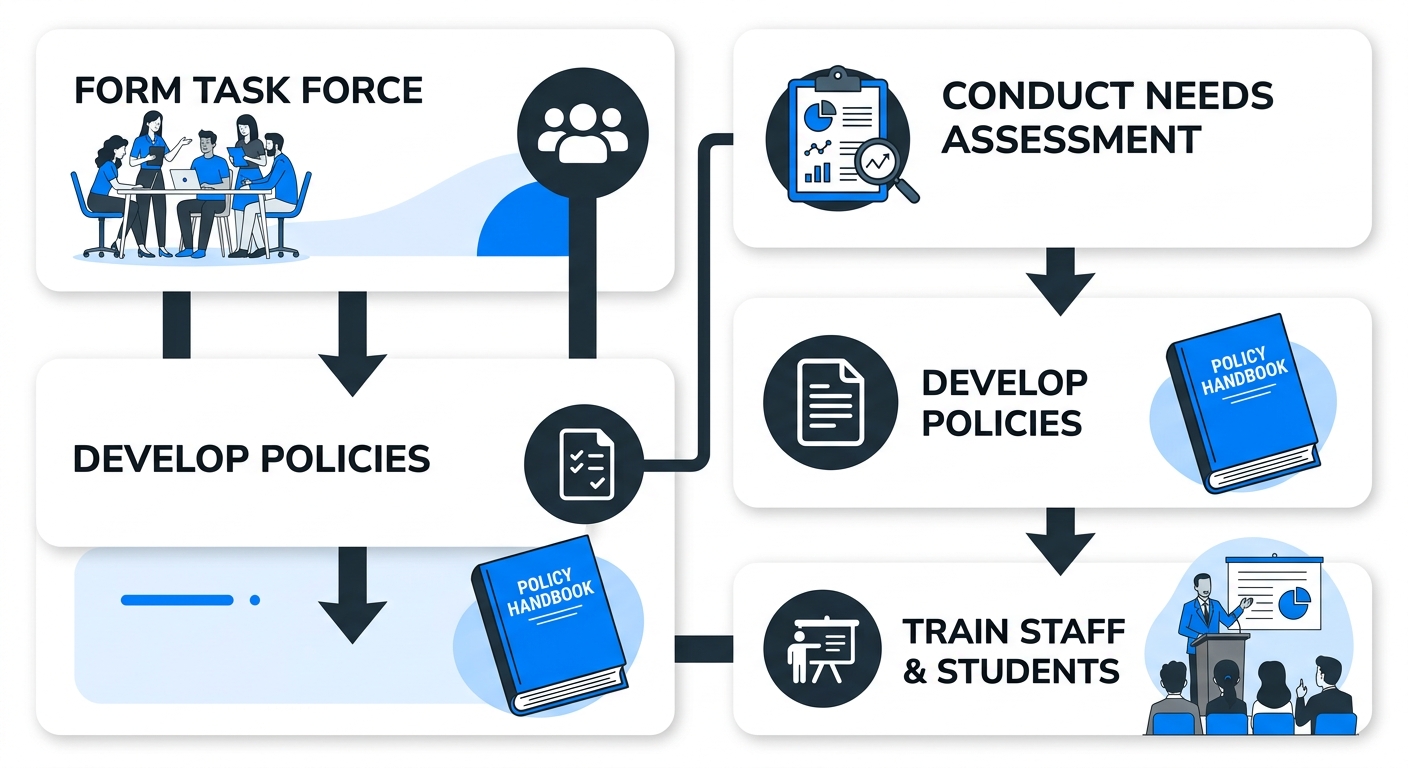
Four-step vertical process for launching a prevention program
At Path to a Better Life, we offer bullying prevention resources for families as part of our crowd-funded mission. Once your program foundations are in place, explore the detailed strategies in the following sections.
2. Learn Core Strategies
Bullying is unwanted, aggressive behavior that involves a real or perceived power imbalance, making effective bullying prevention and resources essential. We focus on core strategies that empower individuals, families, and schools to take proactive steps. According to the CDC and StopBullying.gov, consistent, evidence-based actions can reduce bullying and build safer environments.
Core strategies recommended by the CDC and StopBullying.gov include:
- Foster open communication: talk regularly with children about bullying.
- Teach bystander intervention so youth can safely support peers.
- Establish clear anti-bullying policies at school and home and respond early.
The CDC highlights that school connectedness and parent engagement amplify these strategies’ effectiveness, and early recognition of warning signs helps stop bullying before it grows.
Explore our free bullying resources — bullying resources for schools, bullying parent resources, and victim support — to strengthen your prevention efforts. We also provide resources about bullying for teens and faith communities. Please note that these educational suggestions are not a substitute for professional mental health advice.
3. Find Free Evidence-Based Materials
We believe that informed action starts with reliable resources. When you’re looking for effective bullying prevention and resources, it helps to begin with materials that are grounded in solid research.
StopBullying.gov – Managed by the U.S. Department of Health and Human Services, StopBullying.gov provides free resources about bullying. It offers research statistics, toolkits for parents and educators, and specific guidance on cyberbullying and risk factors.
PBIS.org – PBIS.org, the home of the Positive Behavioral Interventions and Supports framework, features the PBIS school framework, an evidence-based tiered system used by schools to foster positive climates and reduce bullying. It includes free implementation guides, training modules, and data tools for sustainable behavioral support.
NASP Online – The National Association of School Psychologists (NASP) shares free fact sheets, handouts, and intervention strategies. These bullying prevention resources for schools and families are developed by psychology professionals and cover social-emotional learning and practical tips.
We encourage you to pair these free bullying resources with our 21-day transformation program for a holistic path toward well-being.
These resources are for informational purposes and are not a substitute for professional mental health advice. If in crisis, contact a qualified professional or emergency services.
4. Explore a Faith-Based Approach
In addition to other approaches, exploring a faith-based perspective can provide meaningful bullying prevention and resources for individuals and families in your community. Our free online spiritual mentoring program offers one-on-one faith-centered guidance for bullying victims and families, helping them process experiences and build resilience through daily prayer, scripture reflections, and journaling prompts. For immediate comfort, we also provide a 24/7 prayer hotline to connect you with caring support whenever you need it.
Beyond personal mentoring, faith communities across Canada can leverage bullying christian resources and practical bullying parent resources to support families affected by bullying. Our church mental health resources help congregations create supportive environments through community fellowship, resource referrals, and prayer-based encouragement — always complementing professional care rather than replacing it.
Ultimately, a comprehensive bullying prevention plan includes both practical and spiritual resources. This is not a substitute for professional medical or mental health advice; consult a qualified professional where appropriate.
5. Empower Bystanders to Act
Now that we understand the impact, how can we — as bystanders — make a difference? Embracing bullying prevention and resources empowers us to take safe, meaningful steps.
A bystander is someone who sees bullying happen, while an upstander chooses to act. We all can become upstanders by learning simple, proven strategies.
According to StopBullying.gov, you can speak up directly if safe, distract to shift focus, delegate by getting an adult, or delay by checking in later. These small actions can disrupt bullying and show support.
Reporting bullying to a trusted adult strengthens the safety net. The National Association of School Psychologists recommends that schools use free bullying resources for schools to train upstanders. Parents can explore bullying parent resources, and teens can find bullying resources for teens.
At Path to a Better Life, we offer free prayer and music tools as part of our bullying prevention resources. Start Your Journey toward a safer, more compassionate community.
Remember, these bystander actions are not a substitute for professional medical or mental health advice; consult a qualified professional where appropriate.
6. Engage Parents and Families
Beyond the schoolyard, bullying prevention must continue at home. When we talk about bullying prevention and resources, the most powerful ally is a caring parent. At Path to a Better Life, we believe family engagement in bullying prevention creates the first line of defense, which is why we’ve gathered bullying resources for parents.
Watch for mood changes, unexplained injuries, or a sudden fear of school. Use bullying parent resources to start gentle conversations — try asking, “I noticed you’ve been quiet lately — want to talk about what’s happening at school?” or “What was the best and hardest part of your day?” Use StopBullying.gov’s parent tip sheets for school collaboration, and follow CDC’s advice to document incidents.
Path to a Better Life provides free bullying prevention resources and a supportive community (not a substitute for professional medical or mental health advice). Together, with the right tools and support, we can help every child feel safe and valued. Start your journey today.
7. Support Teens and Victims
For teens currently facing bullying, our bullying prevention and resources offer a compassionate beginning. We understand the deep hurt and loneliness that victims endure, and we provide bullying resources for teens — including Path to a Better Life’s 21-day transformation program. Through daily scripture-based reflections and practical exercises, the program helps teens rebuild self-worth and find hope in a supportive, faith-based community.
We also recommend exploring bullying victim support from the National Association of School Psychologists (NASP), a trusted leader offering evidence-based resources for bullying victims. Their tools help schools implement effective prevention strategies and respond to students in need. (Disclaimer: Not a substitute for professional medical or mental health advice; consult a qualified professional where appropriate.)
Explore our bullying prevention resources and start your journey today. Discover a better life in just 21 days. Discover more ways to build resilience in the following section.
8. Build Community-Wide Support
Building community-wide support multiplies our individual efforts, and when it comes to bullying prevention and resources, that collective action is powerful. Schools can adopt the PBIS framework, an evidence-based model supported by the U.S. Department of Education that uses positive behavioral interventions and data-driven decisions to reduce bullying incidents and foster a safe, inclusive climate. Our Church Mental Health FAQ shows how faith communities can open safe listening spaces, host anti-bullying workshops, and share free bullying prevention resources with their congregations. Parents, educators, and leaders can work together by forming a community task force, hosting awareness events, and distributing our prayer library and 21-day program as bullying resources for parents, teens, and schools. Our free resources, including the prayer library and 21-day program, offer faith-based encouragement that complements the work of school counselors and mental health professionals. Community support is powerful, but it always works best alongside professional care when needed. Start your journey by exploring our free bullying resources for your family and neighborhood.
Your Role in Ending Bullying
Your voice and actions are vital to bullying prevention and resources in your community. We at Path to a Better Life believe everyone can make a difference by accessing through our free bullying resources designed for parents, schools, and individuals. These tools offer practical steps to recognize and stop bullying wherever it happens.
Explore our bullying prevention resources and for bullying resources for parents — these guides equip you to address bullying head-on. If you would like extra support on your journey, consider connecting with a free online spiritual mentor, as detailed on our website, who can walk alongside you. Start Your Journey today and discover how small actions can create big change. Not a substitute for professional medical or mental health advice; consult a qualified professional where appropriate.